Source Tractor Powered Dual Seeding and Fertilization Seeder Fertilizer for corn, beans, and peanuts
Compare 30 listings for the Tractor Powered Dual Seeding and Fertilization Seeder Fertilizer designed for corn, beans, and peanuts. Buyers can review specifications like row count, weight, and power source to find the right agricultural machinery.
Key considerations
Products List
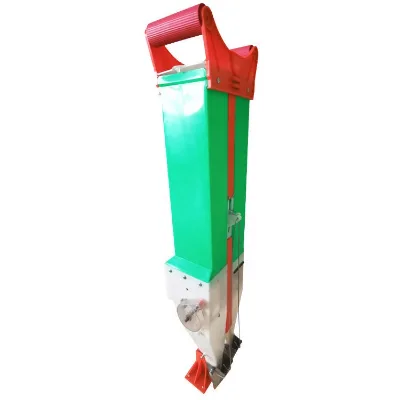
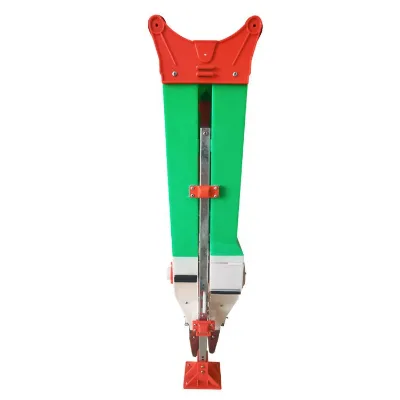
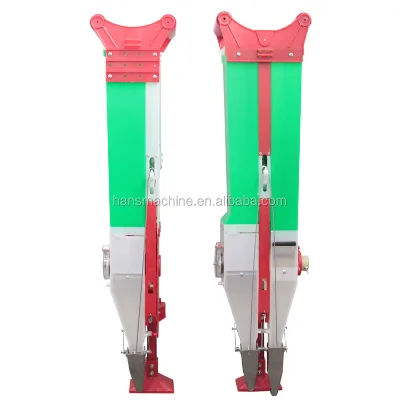

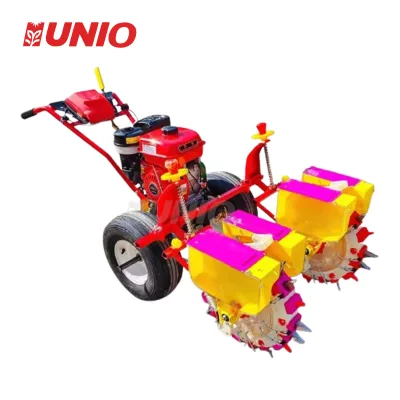
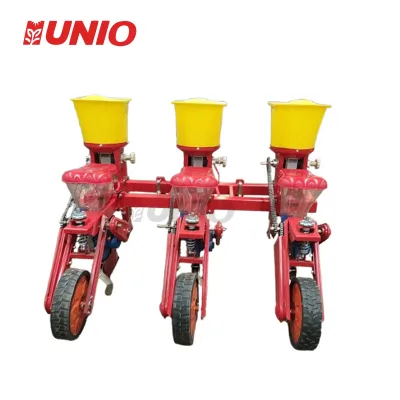

New Type Tractor Hydraulic Mounted and Trailed Dual-Purpose Seeder with Fertilizer
$2300.00 - $2500.00
MOQ: 1 Pieces


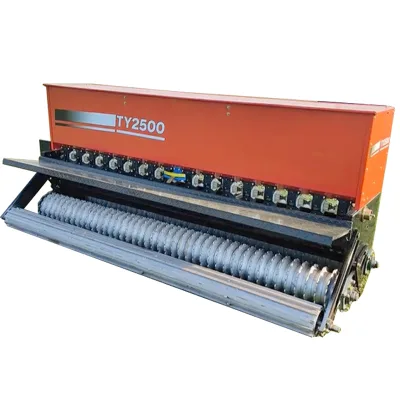
High Efficiency Corn Planter Fertilizer Seeder for Tractor Agriculture Seeder
$3890.00 - $4397.00
MOQ: 1 Sets


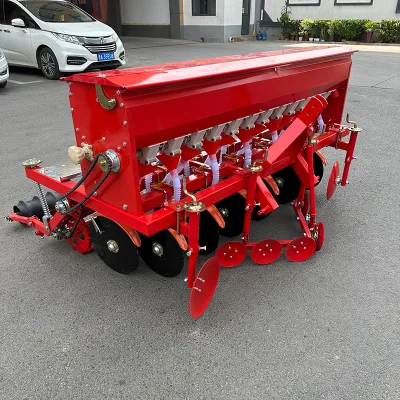
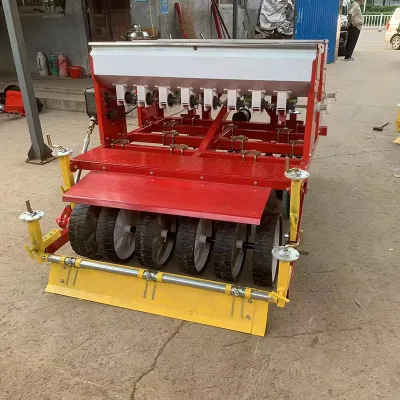


Comprehensive Sourcing Guide
Strategic Sourcing Guide for Tractor-Powered Dual Seeding and Fertilization Equipment
Understanding the Core Technology and Operational Scope
The modern agricultural landscape demands equipment that maximizes efficiency while minimizing labor costs. A tractor-powered dual seeding and fertilization seeder represents a significant advancement in farm mechanization, designed to perform two critical operations simultaneously: the precise placement of seeds and the simultaneous application of fertilizer. This integration reduces the number of passes required across a field, thereby preserving soil structure and saving valuable fuel and time. Based on observed market data, these machines are explicitly categorized for use in agricultural settings, with specific applications noted for crops such as corn, beans, and peanuts. The core functionality relies on a robust mechanical linkage to the tractor's power take-off (PTO) or hydraulic system, ensuring that the seeding and fertilizing mechanisms operate in perfect synchronization with the tractor's forward motion.
Buyers must recognize that the term "dual seeding and fertilization" implies a specific mechanical configuration where seed hoppers and fertilizer hoppers are often integrated into a single frame. The observed product attributes indicate that these units are designed for specific row configurations, with models available for single-row operations as well as multi-row setups. The machinery is typically engineered to handle a variety of seed types, including soybeans, peanuts, and corn, requiring adjustable mechanisms to accommodate different seed sizes and fertilizer granule distributions. The primary selling point for these units often centers on high productivity and ease of operation, allowing farmers to manage larger acreages with fewer personnel. The power source is consistently identified as the tractor, meaning the machine itself does not possess an independent engine but relies entirely on the host vehicle for propulsion and mechanical drive.
Technical Specifications and Mechanical Configuration
When evaluating tractor-powered dual seeding and fertilization units, buyers must scrutinize the technical specifications to ensure compatibility with their existing fleet and field conditions. The physical dimensions of these machines vary significantly based on their intended row capacity and hopper volume. For instance, specific models have been observed with dimensions around 81x10x10cm for compact manual or small-scale units, while larger, tractor-drawn versions may reach dimensions of 114x68x90cm. The weight of the equipment is a critical factor for stability and traction; observed weights range from lightweight units around 6-7 kg for manual variants to heavy-duty tractor attachments weighing up to 280 kg.
The internal mechanics of these seeders are equally important. The core components often include gears, seed wheels, and motors, depending on the specific model and level of automation. High-end models may feature motorized components to drive the seed metering mechanism, ensuring consistent spacing regardless of tractor speed. The number of rows is a defining specification; while some units are designed for single-row precision, others are built for dual-row or multi-row operations to increase throughput. The plant spacing is another adjustable parameter, with observed settings ranging from 40 to 65 cm, allowing farmers to customize the density of their crops according to agronomic requirements.
Furthermore, the customization availability is a key technical consideration. Many suppliers offer the ability to tailor the machine to specific customer requirements, including the type of fertilizer applicator or the specific seed metering system. The machinery test reports provided by manufacturers serve as a verification of these mechanical claims, offering data on the durability and performance of the core components under load. Buyers should verify that the gear systems and seed wheels are constructed from materials that resist wear and corrosion, as these are the parts most subject to friction and abrasive contact with soil and fertilizer.
Compliance, Certification, and Quality Verification
In the B2B procurement of agricultural machinery, compliance with international standards and local regulations is non-negotiable. The market data indicates that certain models carry ISO9001 certification, which validates the manufacturer's quality management systems. This certification is a strong indicator that the production process adheres to rigorous standards for consistency and defect reduction. However, buyers must not assume that every listed product automatically possesses this status; verification of the specific certification documents for the exact model being purchased is essential.
Beyond general quality management, the machinery test report is a critical document that provides empirical evidence of the machine's performance. This report typically details the results of stress tests, durability assessments, and functional checks performed on the equipment. For a tractor-powered seeder, these tests often evaluate the synchronization of the seeding and fertilizing mechanisms, the accuracy of the seed spacing, and the uniformity of fertilizer distribution. The presence of a provided machinery test report suggests that the manufacturer has subjected the unit to standardized testing protocols, which is a positive signal for reliability.
Buyers should also be aware of the origin of the machinery, as this can influence compliance with regional safety and environmental standards. The observed products originate from manufacturing hubs in China, specifically from regions like Shandong and Shanghai. While these regions are known for robust manufacturing capabilities, buyers must ensure that the equipment meets the specific safety and emission standards of their own country. Additionally, the warranty period is a crucial aspect of compliance and risk management. Observed warranty terms vary, with some models offering a one-year warranty and others providing coverage for up to two years. This discrepancy highlights the need for buyers to carefully review the warranty terms for the specific unit they intend to purchase, ensuring that the coverage aligns with their operational expectations and risk tolerance.
Cost Drivers and Economic Considerations
The pricing of tractor-powered dual seeding and fertilization seeders is influenced by a complex array of factors, including the complexity of the design, the quality of materials used, and the level of customization required. The observed price range in the market is extensive, spanning from approximately 7 USD to 6255 USD. This vast disparity reflects the difference between simple, manual, or small-scale units and heavy-duty, fully automated, multi-row tractor attachments. The lower end of the price spectrum typically corresponds to basic models with fewer features, such as single-row operation and manual adjustments, while the higher end encompasses advanced units with motorized components, multi-row capabilities, and sophisticated metering systems.
The minimum order quantity (MOQ) is another significant economic factor. The observed MOQ ranges from 1 to 100 units, indicating that the market accommodates both individual farm purchases and large-scale distributor orders. For buyers looking to equip a large fleet or supply a cooperative, the ability to negotiate MOQs and pricing tiers is essential. The weight of the machine also plays a role in logistics costs; heavier units, such as those weighing 280 kg, will incur higher shipping and handling fees compared to lighter models.
Additionally, the "marketing type" of the product, such as being labeled a "Hot Product 2024," can influence pricing dynamics. High-demand items may command a premium, but they also often come with better availability and support. Buyers should consider the total cost of ownership, which includes not only the purchase price but also maintenance, spare parts availability, and the potential for downtime. The warranty period, ranging from one to two years, acts as a buffer against initial defects, but the long-term cost of repairs and parts replacement should be factored into the economic analysis.
Typical Applications and Crop Compatibility
The versatility of tractor-powered dual seeding and fertilization seeders makes them suitable for a wide range of agricultural applications. The primary use case is the sowing of seeds in conjunction with fertilizer application, a process that is critical for maximizing crop yield. The observed product attributes specify that these machines are applicable for a variety of crops, including corn, beans, peanuts, and soybeans. This versatility is achieved through adjustable seed meters and fertilizer flow rates, allowing the machine to adapt to the specific physical characteristics of different seeds and fertilizer types.
The application field is strictly agricultural, with the machinery designed to operate in farm environments. The ability to handle different row configurations allows these seeders to be used in various farming systems, from small-scale family farms to large commercial operations. The plant spacing, adjustable between 40 and 65 cm, provides the flexibility needed to optimize crop density for different species and soil conditions. For example, corn may require wider spacing than soybeans, and the machine's adjustability ensures that farmers can achieve the optimal planting density without needing to switch equipment.
Furthermore, the "dual" nature of the machine allows for the simultaneous application of fertilizer, which is crucial for nutrient management. This feature ensures that the fertilizer is placed in close proximity to the seed, enhancing nutrient uptake and reducing the risk of fertilizer burn. The machinery is designed to handle the abrasive nature of fertilizers, with core components like gears and seed wheels built to withstand the wear and tear of continuous operation. The observed use cases confirm that these machines are essential tools for modern farmers seeking to improve efficiency and yield through precision agriculture techniques.
Supplier Evaluation and Quality Control Protocols
Selecting the right supplier is a critical step in the procurement process for agricultural machinery. Buyers should prioritize suppliers who provide comprehensive documentation, including machinery test reports and certification records. The presence of a machinery test report is a strong indicator of a supplier's commitment to quality and transparency. Additionally, the warranty terms, whether one or two years, should be clearly defined and backed by a reliable service network.
Quality control should be a central focus during the evaluation of potential suppliers. Buyers should verify that the manufacturer adheres to recognized quality management standards, such as ISO9001, and that they have a robust process for testing their products before shipment. The core components of the machine, such as gears, seed wheels, and motors, should be inspected for durability and precision. The condition of the product, typically listed as "New," should be verified upon delivery to ensure that no damage has occurred during transit.
Suppliers should also be evaluated based on their ability to provide customization options. The availability of customization allows buyers to tailor the machine to their specific needs, ensuring that the equipment fits their operational requirements perfectly. The place of origin, whether Shandong or Shanghai, can provide insights into the manufacturing capabilities and logistics infrastructure of the supplier. Buyers should also consider the lead time and the ability of the supplier to meet delivery schedules, as delays in receiving critical farm equipment can have significant impacts on planting schedules.
Long-Term Procurement and Operational Sustainability
Long-term procurement considerations for tractor-powered dual seeding and fertilization seeders extend beyond the initial purchase price. Buyers must plan for the lifecycle of the equipment, including maintenance, spare parts availability, and potential upgrades. The warranty period, typically ranging from one to two years, provides an initial safety net, but the long-term reliability of the machine depends on the quality of its core components and the support provided by the supplier.
Sustainability is also a key consideration in modern agriculture. The efficiency of dual seeding and fertilization machines contributes to reduced fuel consumption and lower carbon emissions by minimizing the number of passes required across a field. This efficiency aligns with broader sustainability goals and can help farmers reduce their environmental footprint. Additionally, the ability to customize the machine for specific crops and conditions ensures that the equipment remains relevant and useful over time, reducing the need for frequent replacements.
Buyers should also consider the scalability of their procurement strategy. As farm operations grow, the ability to purchase additional units or upgrade existing ones becomes important. Suppliers who offer a range of models, from single-row to multi-row configurations, provide the flexibility needed to scale operations without changing the fundamental technology. The observed product attributes, such as the "Hot Product 2024" status, suggest that these machines are evolving to meet the changing needs of the agricultural sector, and buyers should stay informed about new developments and innovations in the field.
In conclusion, sourcing a tractor-powered dual seeding and fertilization seeder requires a careful balance of technical evaluation, compliance verification, and economic analysis. By focusing on the core specifications, certification status, and supplier reliability, buyers can make informed decisions that ensure the long-term success and efficiency of their agricultural operations. The observed data provides a solid foundation for understanding the market landscape, but buyers must always verify specific details for the exact models they intend to purchase to ensure they meet their unique operational requirements.
FAQs
What is the warranty period for this seeder?
The warranty period varies by model, with options available for either one year or two years. Buyers must verify the specific warranty terms for the exact unit they intend to purchase before finalizing the order.
Which crops can this machine plant effectively?
This machine is designed to plant corn, beans, peanuts, and soybeans. It features adjustable mechanisms to accommodate the different sizes and requirements of these specific seed types during operation.
How is the power source for this equipment?
The power source is a tractor, as the machine relies on the host vehicle for propulsion and mechanical drive. It does not possess an independent engine but uses the tractor's power take-off system.
What certifications does the manufacturer provide?
Some models carry ISO9001 certification to validate quality management systems. Buyers should verify specific certification documents for the exact model to ensure compliance with production standards.
Can the machine be customized for specific needs?
Yes, customization is available for many units to tailor the machine to specific customer requirements. This may include adjustments to the fertilizer applicator or the seed metering system based on user needs.
What is the minimum order quantity for purchase?
The minimum order quantity ranges from 1 to 100 units depending on the supplier and model. This allows the market to accommodate both individual farm purchases and larger distributor orders.
Where are these machines manufactured?
The machines originate from manufacturing hubs in China, specifically from regions like Shandong and Shanghai. Buyers should consider these origins when evaluating compliance with regional safety standards.